The Conversation: The Importance of Listening

What follows is a lengthy summary of an 86-year-old man’s life for the review of a 45-year-old movie.

Recently, this blog lost a dedicated reader. This reader wasn’t our typical audience, he was an older man who likely lived a more interesting life than most of the characters in the movies we write about. However, he preferred to keep these stories to himself. Most likely due to a mix of his humility with a dash of fear of facing old demons.

This man caught onto the blog way back when Jesse and I had no clear idea what we wanted to write about (truth be told, we are still working through that). He stuck with us as we wrote about people dying in the zombie apocalypse, as we explored becoming a daily site for our local sports teams, and even the one or two video game posts that we have since buried. And as far as I could tell, he never missed a post.

I remember feeling embarrassed when I found out about this reader. Would he enjoy my writing? Would he understand what the hell I’m talking about? Would he bring it up at Thanksgiving?

Yes, like I said, this was no ordinary reader. This man was my grandfather, my ‘papa’ if you will. He was your typical curmudgeon of an old man. You couldn’t hold it against him because he was a marine and he fought for our country in the Korean War. He was also a cop, starting off small time and eventually working his way up to work on some harrowing sexual abuse cases as he worked on what you Law & Order fans might call the Special Victims Unit.

Eventually Red, as he was called his whole life due to his shocking color of hair, found a love of technology as he worked his way into wiretapping. He worked undercover, befriending perceived bad guys like he was a regular Leonardo DiCaprio (I like to imagine him having to say, “I’m not the fuckin’ rat, okay?” at some point in his life) while tapping their phones, houses, offices, etc. Oh the stories he couldn’t tell me out of fear of repercussions, those stories and secrets are now lost to time.

You can understand my concern when I discovered him to be a reader. How I live my life, in comfort, and my bitching of fictional stories on a screen never felt important enough to share with a man who, in my perception, lived a life full of unimaginable and real hardships.

And yet, this hard-ass of a man never made me feel that way. He had a huge heart for his family and a great sense of humor. Due to the former I think he felt it his duty to encourage me to follow my dreams and to write. Due to the latter I believe he found actual connection to my writing because he saw his smartass ways in my words. Hell, he would even tell me, “That Jesse kid ain’t bad either”. And that’s probably the highest compliment he is capable of giving to non-kin.

I received nothing but positive feedback from this man that I respected and feared. And yet I never found the courage to sit down with him and interview him thoroughly. It was out of both of our comfort zones to have these real, intentional talks, even when we knew he was on death’s doormat. Everything I have written about him above was gathered slowly, over the course of 29 years as I would peel away at his stories.

Of course I was never good at telling him about my life either. One thing I never confessed to him was the impact he had on my love of movies. My papa loved keeping up with technology so he would always buy whatever was the hot, new thing. He would buy it as soon as possible, knowing the value was sure to go down, just to show that he could afford it and that he was hip enough to know what was going on.

This desire to burn money led to him purchasing a brand new DVD player at the beginning of the format’s craze. In addition he built a collection of DVDs that Blockbuster would have been jealous of. In fact, he lovingly called his office Blockbuster and would MAKE me borrow a handful of movies whenever I came over.

This is where I watched the classics. Spartacus, History of the World: Part I, Blazing Saddles, King Kong, Twelve Angry Men, Spaceballs. (Okay so lots of Mel Brooks, where do you think he and I developed our sense of humor?)

Much like his life, we never spoke about the movies. In fact he hardly even ever watched them with me. But that didn’t matter, he helped introduce me to what would turn into a passionate hobby and along the way he always encouraged me to write, to follow my dreams.

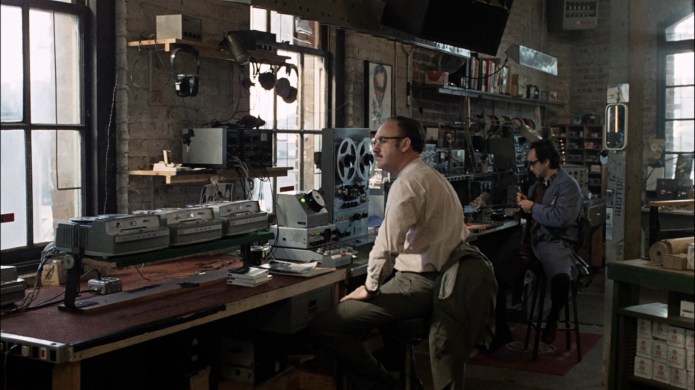
Recently I was digging through an old scrapbook that his mother, my great-grandmother, put together. The scrapbook followed Red’s career through newspaper articles. She would cut out any mention of him, his second wife (also a cop), or anything to do with his area of expertise. It was here I stumbled upon a film review of Francis Ford Coppola’s 1974 thriller The Conversation. The story follows a surveillance expert named Harry Caul, played by Gene Hackman, who is focused on his craft and yet passive about the people’s lives he invades.

Being that my papa’s name was Henry, often called Harry (he had many nicknames) who later in life ran his own surveillance company outside of the police force, I immediately stopped skimming and read the review. Out of nowhere I then berated my poor sister, “DID THEY MAKE A MOVIE OUT OF HIS LIFE?”

Alas, Francis Ford Coppola did NOT write his masterpiece about my granddad. IMDb explicitly states that Harry Caul was inspired by a surveillance technology expert named Martin Kaiser. I suspect the clipping in the scrapbook was just an example of a mother trying to connect with her son by saving a review about a film he might like.

I will never know if my papa ever saw the movie that eerily echoes his life. Nevertheless, after a month of mourning I finally sat down to watch the film myself hoping to further understand a man that kept his secrets close.

The Conversation, cited as both Coppola’s and Hackman’s favorite film they were involved in, is a deep dive into the ethics of the world of surveillance right as technology was allowing the lines between privacy and publicity to be blurred. It’s a haunting reminder of the dangers of allowing technology, and even other people, into our lives. A fear that today, in 2019, is omnipresent as we surround ourselves with AI connected devices that run everything from our calendar to our homes.

It follows a determined man named Harry Caul, cited as the best surveillance man in the country. Caul keeps to himself in every aspect of his life. He shuts out his neighbors, his lovers, and even his most trusted employee. He is singularly focused on technology and getting the best quality of his recordings. He cares neither for the people he is spying nor their conversations saying, “All I want is a nice, fat recording.”

His desire to separate himself from his subjects stems from an incident in his past. Specifically, his role in a job that ended with a murder of three people. As a devout Catholic his guilt is amplified and his way of dealing with the guilt is by focusing on his work.

As he focuses more and more on getting an accurate and clear recording for his current job, the guilt overwhelms him as he realizes this is another recording that could end with murder. He ends up confronting the person who hired him, as much as the meek mild Harry Caul can confront someone. The end of the film follows Harry as he attempts to save the people he has helped put in danger.

The film is a masterpiece and holds up as such. The themes of the dangers and paranoia of surveillance are as prevalent as ever. And Hackman as a passive, helpless man who is just doing his job is haunting and unforgettable. Plus Harrison Ford is there and he brought cookies.

Most importantly, to myself, the film gave me a theoretical view into my papa’s life. It reminded me of stories he told me in the past that I had long forgotten. Particularly a lighter, albeit unethical, scene that saw a bunch of surveillance experts out on the town, drinking and having a good time offering to pick locks to impress a girl and using their surveillance power to look up the name and address of a reckless driver on the road just to freak him out. That scene gave me possible insight into the youth of a man I have only ever known to be an old man.

It helped me understand why he was so secretive about what he did. Whether it was shame or fear or just a desire to not bring up old demons, the man had a lot going on that I would never be able to understand.

It also confirmed what my sister and I would always joke about. Growing up we always accused him of tapping our phones much like the accusation of Harry’s lover Ann, “sometimes I even think you’re listening to me on the telephone”, she says laughing, “It just feels like you’re there”. Of course my papa always denied this but he seemingly always knew what was going on in our lives. Maybe he was just paying attention to his young grandchildren, using our parents to catch up on our lives to impress/spook us. Or maybe he was listening to every inane conversation, unable to break old habits.

I miss him dearly every day but his impact still lives on. Every time I sit down to watch a movie or write a post, I will remember his encouragement and, most importantly, his willingness to read and to listen.


Let’s Talk About, Going to the Movies

Kevin: Jesse, a good chunk of our friendship has revolved around hanging out at places that serve to be distractions, that is, entertaining distractions. We probably didn’t speak a word to each other, outside of hushed voices, in person from the years 2008-2013 because we would only hang out at the movie theater. Sometimes I wonder if we were forced to speak with each other away from a dark, quiet room if we would straight-up hate each other and not get along.

Okay, probably not, our friendship has survived my move to the east coast so I imagine if we truly hated each other, we wouldn’t text every day. Nevertheless going to the movies with friends is a rite of passage for us American folk. Typically the cinema is one of the first places preteens and teens gather to socialize away from their parents. It’s where first dates happen and birthday parties are held where inside jokes and memories are formed.

Just off the top of my head I have numerous significant memories at the theaters. I remember my father taking me to The Phantom Menace hoping I would get the Star Wars bug (I did). I remember begging my parents to let me invite two of my friends to see Kung Pow: Enter the Fist for my 12th birthday (you’re welcome Eric Brown and Jeffrey Whatever-your-last-name-was). I remember sneaking into The Hangover with my eventual wife because we were waiting for Up to start next door, and I remember regretting leaving the former for the latter. I remember watching the first Avengers with you and a handful of our friends, blown away at the culmination of five years worth of movies (ha, so naive).

Since my movie theater experience growing up was always a social activity, I saw my theater attendance drop as I graduated college and moved away from my family and friends. But now, as I approach my thirties, I have found myself in a movie theater renaissance. I have discovered the magic of going to a movie theater alone where I can take up extra room, not worry about if my friends are enjoying the experience and I can arrive whenever I want. In the past year I’ve experimented with Moviepass, which allowed me to see a few gems but mostly just stole my money and I’ve memorized the discounted days at different chains. Overall I’ve paid, probably, way too much money to sit in a dark room with a giant screen for movies I loved, movies I hated and movies that made me say, “what the fuck?”.

It’s been a great ride for me, I’ve rediscovered the benefits of a theater, mostly that it allows me to actually focus on the movie instead of get distracted by my phone or the dishes that need to be done.

I bring all this up because you recently wrote about how you paid roughly $200 (might be an exaggeration) to stream a movie instead of support your local theater. What do you have to say for yourself? And how would you explain yourself to 22-year-old Jesse?

Jesse: The funny thing is that streaming instead of supporting became a trend when I was around the age of 22. I’d probably just tell myself, “Hey man, that new thing you discovered? It ain’t going away anytime soon… also, you’ll meet the love of your life in about five years, so you can save all that money you were going to spend on other girls.”

Fair or not, I partially blame you for the decline of my theater attendance. None of our friends in Denver go to the movies anymore, save for our buddy Michael McManus, who is free once every two months (you have a good reason, Michael, I’m just making a point). If you hadn’t moved to the other side of the country, I’d undoubtedly be going more often. But it’s not all your fault Kevin. The truth is I’m reluctant to fork over the money for anything other than a Marvel or Star Wars movie. Does that make me cheap? Am I lazy for not taking a page out of your book and seeking out the discount theaters? Probably a little of both.

So go ahead man. Tell me how crazy I am to co-manage a film blog with you and not watch more movies the way they were meant to be seen.

Kevin: In your defense you do spend the majority of your budget on purchasing things called ‘DVDs’. Which I guess is some sort of physical disc that you can use to magically watch movies? So you get a pass.

You also get a pass because it is actually kind of ridiculous to go to a movie theater these days. It’s expensive unless you do your diligence and aim for discounts. For the price of one movie you can subscribe to Netflix or Hulu or Disney Takes Over the World (I think that’s the name of their new service right?) or any of the seemingly endless streaming options. Plus when you get to the movies they gouge you for a bucket of butter (with some popcorn thrown in). And on top of that they make you sit through OVER 20 minutes of previews. I get annoyed at a five second ad before a YouTube video, how do I handle 20 minutes of ads for movies I probably have little desire to see?

Besides that, I live in NYC now which means everyone claps at the end of every movie. Apparently that’s a thing here. I’ve been to five or six movies of all different genre types and the only similarity they shared was people clapping at the end. This confounds me Jesse, confounds! I’ve never seen you clap at the end of a movie so you’re with me on this right?

Jesse: I’m totally with you. It’s one of those weird things that people do because they want to acknowledge how they’re feeling, even though the actors and filmmakers aren’t there to hear them. You see a similar reaction from sports fans who yell at their team as they watch the game on TV. Of course, I am guilty of the latter, so what do I know? I would assume that New Yorkers always clap because as with all things, they are a little more vocal about expressing their opinions.

And maybe that’s part of the appeal of going to the theater. You visit or move to a new city and want to take in something familiar, but view it in a different light. If a crowd is respectful, they can elevate and alter the movie going experience in a way that can’t be replicated at home.

So what say you Kevin? Have the New York theaters given you a new experience, or do you just wish they would stop applauding?

Kevin: First of all, clapping at the TV for a sports game is something different, there’s randomness involved in the live spectacle for a non-scripted sports event (sorry WWE), anything can happen and the story is literally unfolding before you so it makes sense to get caught up in the spectacle. But with movies everything is scripted so I don’t feel the need to cheer because every moment is intentional and planned out. Even if the filmmakers plan it out so you do cheer just feels inorganic.

The same can be said at a play or musical but those performances are live and the actors can actually hear you and bask in the adoration. Brad Pitt can’t hear you when you cheer him on as he (removed for spoilers because Jesse still hasn’t seen Once Upon a Time in Hollywood) or when he (again removed for spoilers because Jesse hates the theater experience now).

But to me there is something special about going to the theater no matter where I’m at. For you the something special experience is still buying physical copies. Neither of us can explain it but it’s probably due to a combination of nostalgia and other strange psychological factors (our mutual friend Michael likens my enjoyment of the theater to the theory that we secretly desire to be back in our mother’s womb, Michael is a weird dude).

The New York theaters have only validated by enjoyment. I’ve gone to a movie here because the humidity in July was too much to handle and I needed to be in a cool room for a couple of hours. I’ve gone to escape the endless crowds only to learn that the same endless crowds end up filling entire theaters for nearly every showing. I’ve made new friends and we met up for a movie. I’ve made small talk with other movie goers who enjoy going alone. I’ve heard clapping, screams, and laughter. I even witnessed someone stand up and tell a person they’re an asshole for eating their popcorn too loudly.

The New York theater experience is just like the rest of New York, it’s typically loud, dirty, and crowded and it often ends with a great story to tell later. But as unique as it is I find myself coming back not because it’s new but because it’s familiar. And it offers what every theater in my life has offered, an escape from the outside world and into one full of endless possibilities.

The Shallows: Bought It Before I Watched It

Here is a well-known, irrefutable fact about myself: I am old.

Now you might be thinking, “But Jesse, you’re only 29! You’re still a young man,” and that’s exactly what you would think given my age and appearance, but that’s without taking the following into account: I listen to a ton of classic rock, I still pay for cable, I try to avoid long lines and crowds, I’m just as content with a quiet night inside as I am going out and doing something fun, and I still buy physical copies of movies.

That’s right, every single movie I own is perched upon a bookshelf in my guest room. Whenever I have to move (which thankfully isn’t very often), I have to take them down, pack them up and put them all back up again when I get to my new place. That probably sounds awful to you, which is why most people who still collect movies (instead of just streaming everything) opt for digital copies, so they don’t have to deal with all of the clutter. Marie Kondo would definitely prefer the latter approach.

And I wish I could tell you that I have a bulletproof reason for buying and storing all of these optical discs, like that they provide me with superior audio and video quality (which is somewhat true) or that I don’t like relying on the internet to have access to good movies (for the two times a year that my internet doesn’t work), but maybe it just brings me to joy to see all those plastic cases twinkling at me from their respective positions on my shelf.

If you think that sounds crazy, then this little nugget will really blow your mind: I will sometimes buy movies that I haven’t even SEEN yet. Now in my defense, I do look at the reviews for a film to determine how well it was received and if it might be unique, but that’s still weird, right? Why pay money to own something that I’m not even sure I’ll enjoy?

I won’t even attempt to come up with a good answer for that question, but what I am going to attempt to do is start a series of posts where I watch a movie that I bought without seeing it first, and then write about whether I regret it or not. I’ll even do a mock interview of myself. We’ll see if I regret that.

First up, The Shallows.

Why did I buy The Shallows?

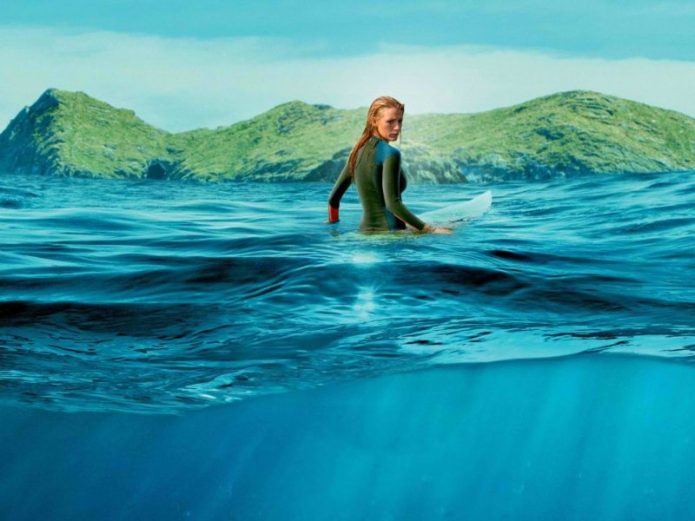
You can count the number of good shark movies on one hand, or maybe even one finger. On a side note, I bet you thought my answer was going to be, “Blake Lively in a bikini.” Get your mind out of the gutter, pervs.

Really, people are expected to believe that?

Hey, I love Jaws. It’s one of the greatest feats in film history and the piece of cinema that put Steven Spielberg on the map. I loathe virtually every other shark movie I’ve seen, although I do respect the Sharknado franchise for fully embracing its own ridiculousness and just running with it (they released a sixth one just last year!). The point is, I wanted to believe that The Shallows brought the survival horror element of Jaws without the stupidity of all its sequels, so I took the plunge… erm, the dive.

Alright alright, so what did you think?

Much to my relief, The Shallows is a perfectly watchable summertime horror flick. Lively makes for a compelling lead, as she’s proven in some of her more recent work, and the great white shark is a force of nature that lays waste to anyone stupid enough to be in the water (basically everyone). I don’t think a bigger boat would’ve helped Lively in this one, or a bigger surfboard for that matter (unless the Silver Surfer let her borrow his and she could just fly out of there). Director Jaume Collet-Serra tried his hand at horror previously, including the graphic 2005 remake of House of Wax, but he seems to have tightened the reigns a little bit here by favoring suspense over gore. The mere threat of the shark is equally as imposing as when it’s actually chowing down on something, which I found rather effective.

He also found a pretty clever way to visualize Lively’s smartphone on the screen, which is something we’re seeing more and more of in film with things like texting and Facetime.

Do you think you’ll come back to it again?

I’m sure I will someday, but it was brutal to watch by myself (my fault for putting on a scary movie while I was home alone). My fiance also hates survival horror, so the chances of getting her to sit through it someday are between slim to none. Maybe I can convince Kevin to fly back from New York for it? You never know.

Moment of truth… do you regret purchasing it?

Thankfully, no. While it’s certainly not on the level of Jaws, all I wanted was something to shock me, awe me and make me scared to get in the water. You can check all three boxes for The Shallows. On top of that, there is a seagull in this movie named Steven Seagull. How could I ever regret buying a film that features a bird named after a 90’s action star?

What’s next in this series?

Good question. Kevin has been badgering me to watch Enemy and Sorry to Bother You, so probably one of those two. Stay tuned!

What If: A Feel Good Hidden Gem

“Love is dirty, baby, sometimes it’s downright filthy.”

Maybe it’s because wedding bells are drawing near for Jesse and because I’m currently living 461 miles away from my love but, whatever the reason, romantic comedies are getting featured here on Flimsy Film Critics this month. Actually the real answer is we are smooth, handsome, hopeless romantics who express their love with big romantic gestures on a daily basis but we don’t talk about it here because we don’t want our audience feeling bad about themselves. Yeah that’s it…

Either way, I was in the mood for a feel good movie about love and all its complications. I found just that in the hidden gem that is 2013’s What If (not to be confused with Netflix’s recent What/If series nor the comics-soon-to-be-Disney-show What If that asks daring questions like, “What if Spider-Man joined the Fantastic Four”, the answer is, the Fantastic Four would finally get a good movie as long as Sony wasn’t producing it).

What If has a classic romantic comedy set up, a dude meets a girl at a party, there’s instant chemistry but the girl reveals she has a boyfriend, in the most ham-fisted, awkward manner possible of course.

What makes this movie stand out is the cast led by Daniel Radcliffe and his best friend Adam Driver (Harry Potter and Kylo Ren fanfics goin’ wild right now) alongside the so-hot-right-now Zoe Kazan with a great supporting performance from Mackenzie Davis (that girl from your favorite Black Mirror episode).

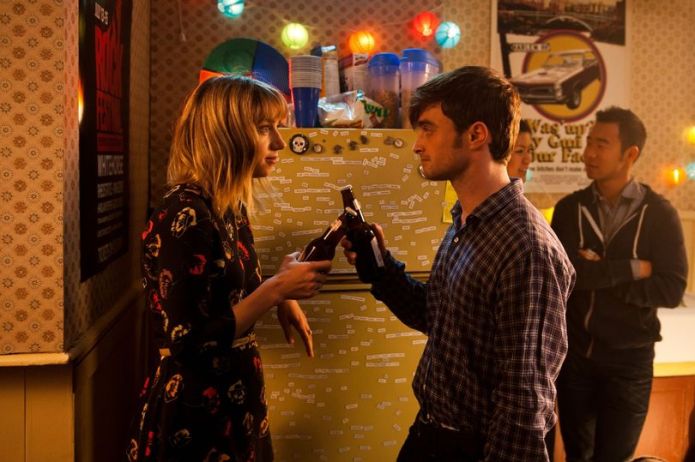
Daniel and Zoe, portraying Wallace and Chantry, have palpable chemistry, and as they settle into their friendship you feel like they’ve known each other forever with their quick banter and comfort to be their whole selves. Wallace, coming off a bad break up, and Chantry, living with her boyfriend, decide, over a handshake, they are going to give the ‘men and women can be friends’ thing a shot.

The other stand out in this movie is the dialogue, it is crisp, quick, and funny. Each word feels intentional and has meaning. Especially the scenes with Allan (Driver) and Nicole (Davis) as the head-over-heels couple that falls madly, and quickly, in love. The performances by Driver and Davis had me cackling with laughter bringing a much needed energy to Wallace’s downtrodden world view. Allan and Nicole, who meet the same night as Wallace and Chantry, in fact in front of the same fridge, are the foil to Wallace and Chantry. They fall for each other fast and they don’t stop to think or ask questions. They serve as opposition to Wallace’s nihilistic views on love as well as the comic relief. They drop nuggets of wisdom along the way and truly might be the #relationshipgoals couple of the movie.

Of course no relationship is perfect. As Allan pontificates after his first fight with Nicole, “All this love shit is complicated. And that’s good. Because if it’s too simple you’ve got no reason to try and if you’ve got no reason to try, you don’t”. It’s one of the seemingly cliché lines that is so well delivered by Driver that it sticks with you. It provides a sense of relief that a lot of romantic comedies don’t, life is messy and that’s okay.

Love and life is complicated. People fall in love with the wrong people at the right time and the right people at the wrong time. As much as we can focus on ourselves, our careers, our hobbies, we can’t control who or when we fall in love and we shouldn’t have to feel guilty about our feelings. This movie gives a sense of relief that life is nuanced and messy. No one knows what they’re doing, especially when feelings are involved. This film reminds you that love happens in unlikely ways but if something is good, hold onto it for as long as it stays that way.

The Farewell: Guilt Inducing Poetry

When telling people where I’m from, the typical question I get is, “Colorado? Why the fuck did you leave?” followed up by, “do you go back often?” My response actually sums me up well as a person, meaning it’s sensible, dark, and a tiny bit funny, “only for weddings, babies, and funerals” I say. And I wonder why I make friends slowly, I guess I’m an acquired taste.

As someone who has chosen to live away from my family, friends, and community, I have to deal with the weight of guilt on a daily basis. How do I maintain these connections while thousands of miles away? And as I miss birthdays, doctor appointments, and house warming parties the weight gets heavier.

The Farewell is a movie made for people like me, or really, for anyone who has dealt with the sudden news of the impending loss of a loved one. But it specifically hits home for those of us who are thousands of miles away from our homes. It’s a brutal reminder of the reality of our choices as well as showcase of the beauty of our bravery.

The Farewell directed and written by Lulu Wang and starring Awkwafina, follows a family of Chinese immigrants as they deal with the heart wrenching news that the beloved matriarch of the family, Nai Nai (grandmother), is at death’s door and only has a short time to live. The family decides to NOT disclose this information to Nai Nai herself, instead choosing to carry the emotional burden quietly amongst themselves.

Dealing with the news of an impending death is maddening enough. What exactly do you say to someone who is dying? Do you keep it light and discuss the weather or the news or other meaningless trivialities? Do you ask for stories of their past or ask them for wisdom as a dark reminder that the end is coming? Neither seem like an enjoyable path but neither does a loss without warning with no time for these conversations. For every person who has lost someone suddenly and wishes they had just a little more time to enjoy their company, there is someone who has been blessed with that time and has no idea how to handle the awkward blessing.

It’s even trickier for Billi, an aspiring writer living in New York perfectly portrayed by Awkwafina, who has to keep the family secret of her grandmother’s impending doom while visiting her under the false pretense of a fake wedding (so Nai Nai doesn’t get suspicious). Billi loves her Nai Nai dearly and desperately wants to tell her the truth and cry in her arms. But her family, and the cultural expectations surrounding it, will not allow even a single tear. The film follows Billi as she traverses through the societal differences between the culture she was born into and the culture she was raised as well as the guilt of living so far away.

The heart of this movie lies in the realism. Pay attention to the scenes of the family around the dinner table eating an endless amount of food, there’s a lot of them, and they serve the purpose of creating the familiar. Sure this is a Chinese family but the conversations they have around the table are recognizable for any culture. There is gossip, there is the constant pressure to “eat, eat, eat” from the matriarch, there is childhood stories told, as well as pointed, guilt-inducing, remarks made by elders.

It’s a heart wrenching reminder for those of us who have left of what we leave behind and of the moments we miss while apart. If this is you, the scenes of reunion around the dinner table or walking around the city with a random relative or watching your cousin get married will spark a grueling familiarity. It’ll throw you back to those times when you are forced to step back into your past life. The battle of dread and secret joy that is waged internally, followed by reminders of why you left and why you come back.

The Farewell, for those who have chosen a path away from their families, is a gut punch of guilt, laughter, and the familiar. It’s everything you hate and everything you love about going home to visit those you have abandoned physically but will never abandon emotionally. It’s pure poetry that will drive you to both immediately call your loved ones and refocus your reasons for leaving.


It’s a Long Shot to Go to the Movies

I’m going to let you guys in on a little secret – Flimsy Film Critics is all for romantic comedies!

I know, I know. We don’t write about them much (except when I’m critiquing Netflix’s autoplay feature) but it’s true. We like to see the hero wind up with the object of their desire, we find humor in the critiques of modern dating and we find satisfaction in people growing as individuals and ditching their lousy significant other for someone much better. Mainly, I think we are just relieved that we no longer have to endure all the awkward moments that being single can bring cascading into your life.

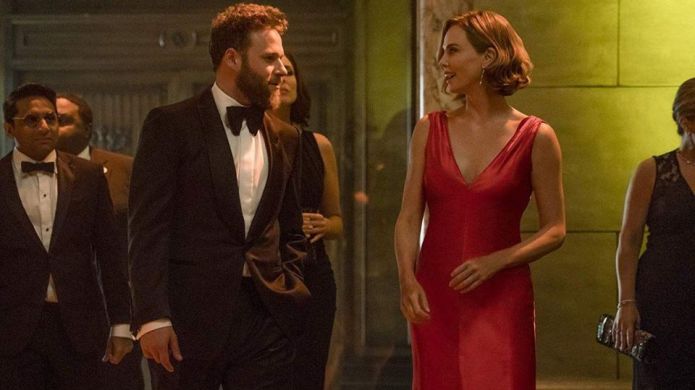
That’s why when I saw the trailer for Long Shot, I was instantly intrigued. Seth Rogen and Charlize Theron are both actors that I admire, but they’re an unusual on-screen couple. I figured that was a good sign that a little more thought went into making this film other than, “Get two attractive people together and let the sparks fly,” especially since Rogen also served as a producer. My fiance was equally intrigued, so seeing Long Shot in theaters seemed like a great potential date night and an opportunity to support an original movie.

Then we didn’t go. But we did order it on-demand because I’m old and still pay for cable. That still counts, right?

Alright, so it’s not the same. I always kick myself for not forking over the $20 that it takes to go see a film that deserves our money, because these movie studios are always listening with their wallets. That’s why we have all those Fast and Furious movies and just got Angel Has Fallen, the third installment of a trilogy that most people have forgotten even exists. Long Shot barely made its budget back, which only compounded my guilt. We as a society always complain that we don’t get enough original films, but then we rarely put our money where our mouths are when we have the chance. Why is that?

I think a lot of it has to do with the impact that streaming has had on the industry. If people see a trailer for a movie that captures their interest but isn’t  something they have been eagerly anticipating, what are the odds that they just wait it out and catch it on Netflix or Hulu someday? Exponentially high, and only increasing with the additional streaming services that have been starting up (just wait until Disney+ is released, families will never leave their homes again!). For people who aren’t passionate about film or just watch movies to pass the time, they are probably ecstatic about this trend. They get to sit on their couch and save money on something they aren’t even sure they’ll like. But for cinephiles like the two goofy guys who run this blog, it’s an upsetting development in our film loving worlds. Try as you might, you just can’t replicate the experience of going to the theater with the streaming device at your home, and you never will.

And of course I liked Long Shot. It was a fun and refreshing rom com, which is all the more reason why I should’ve gotten off my butt and traveled the 10 minutes to see it on the big screen. Imagine a world where public movie theaters don’t even exist and everything is released right to your Smart TV or Roku Stick.

It’s a lot closer than you might think.

Ready or Not Brings the Cathartic Laughter

Ready or Not, a film directed by the relatively unknown Matt Bettinelli-Olpin and Tyler Gillett, is a big foam middle finger to the wealthy and conservative elite that are running our country. It’s the kind of film that steadily, and humorously, builds to a cathartic release of anger and frustration in the form of violent comeuppance that will make you want to literally stand up and clap like a fool. It’s exactly the kind of movie you need after a hard, long news day (AKA every day).

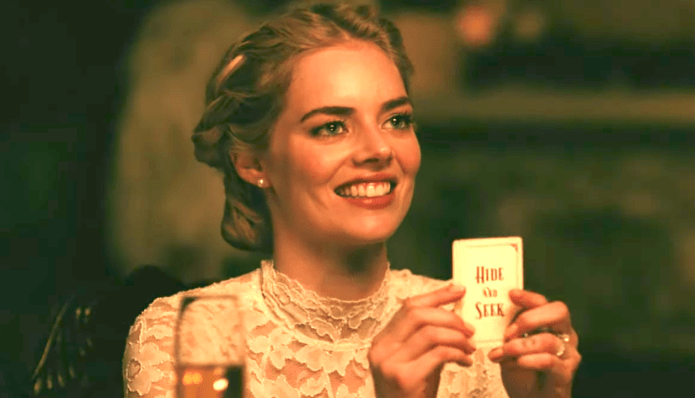
The film follows Grace (played by the underrated…actually maybe ‘not yet rated’ is a better term, Samara Weaving) as she prepares to marry Alex Le Domas, he of the “richer than God” Le Domas family whose wealth is built around a board game monopoly (not the board game, Monopoly, but a monopoly OF board games). Oh and also funded by a dead spirit named Mr. Le Bail, minor detail.

Except it isn’t!  Because per the deal that great-grandad Le Domas made with Le Bail, the obscene wealth and success of the family will only continue to be passed down through the generations under one stipulation, anyone who marries into the family MUST have a game night with the family on the night of their wedding.

GASP! BUT THAT’S WHEN THE COUPLE IS SUPPOSED TO BE BANGING FOR THE “FIRST” TIME!

(Alas, those of us who are married know that’s not how it really works. I, for one, beat my wife at Mario Kart the night we tied the knot. That’s…that’s not a joke.)

Back to the plot! Not only does the newly married person have to play a game with their new family but there’s a slight chance that the person will have to be sacrificed to Satan if they draw the wrong card. The ‘hide and seek’ card to be exact. Talk about drawing a bad hand.

Of course Grace pulls the hide and seek card because otherwise the movie would be pretty dull if we just watched a rich family beat each other at checkers for two hours. And now she must deal with the consequences of drawing the worst hand (outside of a 2 and 7 off suit in hold ‘em of course) by hiding while the family loads up guns and crossbows.

Except there is one small detail, SHE DOESN’T KNOW THE CONSEQUENCES. That’s right, the dude she loves decided to buy a ring, pop the question, spend thousands of dollars on flowers, and decides it’s not important to inform his soon to be wife that she is soon to be dead! Men, am I right?

Grace is left to her own devices and has to learn to traverse the many hidden passages of the unfamiliar Le Domas mansion. Luckily for her the Le Domas’ incompetence is threatening to derail their home field advantage.

That’s right, there are four things that makes this movie worth giving up two hours of your life for: a simple and engaging premise that delivers numerous scenes of true terror and intensity and is balanced by a self-awareness of its own ridiculousness. But the best aspect is that the old white rich family is completely daft and hopeless.

Many horror movies build themselves around a villain that is unconquerable. And why not? What’s scarier than true hopelessness? What sets Ready or Not apart is the villains are truly terrible. Both morally and murder skills wise. You laugh as these numbskulls, born with silver spoons in their asses, bumble around the house possibly more terrified than the person being hunted. You laugh because it feels far more realistic that a rich person who doesn’t even do their own laundry or fill their own gas, can’t manage to hunt down a small, unarmed woman.

The wealthy family being ill-equipped at murder brings a sense of humor that connects directly with the endorphins in your brain. It allows the audience to point and laugh at the helpless rich people, it provides a rare sense of power over those who control our world if only for two brief hours. It’s dark humor, sure, but it’s also good humor. In an alternate universe without Get Out and Us, Ready or Not is the horror movie you would have thought was directed by Jordan Peele because it feels like an expanded Key and Peele skit mixed with the deeper meanings of Peele’s real work.

The beauty of Ready or Not is it brings a sense of relief to the audience. It doesn’t bother with subtext or allegories because it is glaringly obvious what the writers are trying to say: rich people don’t play by the same rules and they would rather sacrifice your life than lose their power. And this overt message mixed with the cathartic release of the climax provides EXACTLY what we as an audience need in this day and age, a good laugh and a giant middle finger to the man.

Wes Anderson’s Criterion Journey: The Royal Tenenbaums

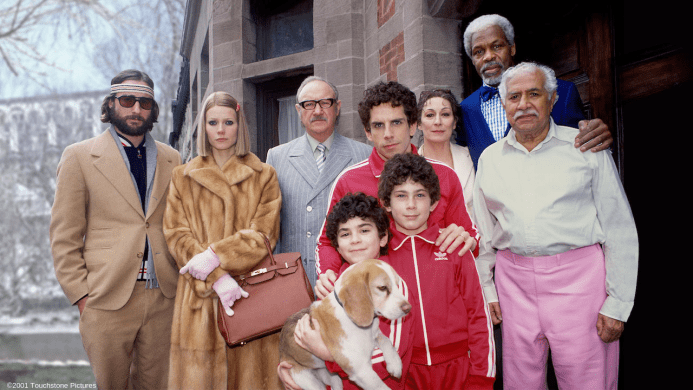
There is a scene in The Royal Tenenbaums that always mesmorizes me. No matter how many times I see it, no matter what else I’m doing, I instantly get swept up in its beauty and simplicity and come to admire it even more than before.

Margot and Richie have been in love for a long time, dating all the way back to their childhood. Summoned back home after a prolonged absence, they arrange to meet at, “the pier by way of the Green Line Bus.” As Margot steps off of the bus, and spots Richie awaiting her arrival, their eyes lock and their expressions soften and not a word is needed to understand how these two truly feel about each other. They are wearing nearly identical colors, casting off a dreamlike hue as if they are the only people in each other’s worlds that stand out. Nico’s cover of Jackson Browne’s “These Days” plays over the scene, suggesting that these two never really got to be together and that their love as a whole was a missed opportunity.

Of course, none of this takes into account that Richie is Margot’s brother and Margot is his adopted sister. It wouldn’t truly be a Wes Anderson movie if there wasn’t one absurd little tidbit that threw the entire idea of this potential courtship out of whack. Richie later discusses his love for Margot with his father, Royal (played by the legendary Gene Hackman) and the following exchange takes place:

Royal: “It’s illegal though, right?”
Richie: “I don’t think so, we’re not blood related.”
Royal: “But probably frowned upon. But then again, what isn’t these days?”

That line made me wonder about what the reaction would have been if The Royal Tenenbaums had been released these days. Would there have been a giant backlash towards the Margot/Richie relationship on the internet or would they have been in the clear thanks to Game of Thrones’ portrayal of full-fledged incest? It’s safest to assume that people will get offended about anything that is even the slightest bit controversial. But as I rewatched the film recently, I realized two things: 1) I’m glad that certain movies were made before the advent of social media and 2) I really miss seeing Gene Hackman in new movies.

Probably a lot more than the other people in this movie missed his character.

Continue reading

Welcome to New York: The Terrifying and Timeless Taxi Driver

It’s easy to get lost in the high opinion of our modern times. Sure, we might have a tendency to idolize the nostalgia of the past but we also have the tendency to view modern things as superior. We are, by nature, animals that love to make advancements in society. As much time as we spend thinking, “this world is madness and it’s only getting worse” we also spend using all the amenities of the modern world to better our lives. We rarely sit down to look back at the past to piece together how we got here. In avoiding doing so we end up overlooking that our past has dealt with the same exact things we are dealing with today, in the here and now.

I think my favorite thing, and also, greatest hesitation in watching an “old” movie is examining how it fits in our modern world. Will the cinematic experience hold up? Will my awareness of the age of the film impact my opinion? Are the character’s actions or opinions difficult to watch with modern eyes? Does the message even mean anything after all this time?

In addition to these thoughts running through my brain, as I sat down to finally watch Martin Scorsese’s classic 1976 film, Taxi Driver, there was quite a lot of events happening in both my personal life as well as the modern world of 2019.

Those events, first, I had just moved to New York City, alone (temporarily). Another step in an endless quest to understand this crazy world. Second, I decided to explore my new city on foot AND in the cinema. Sure, I can step outside and breathe the polluted air of Manhattan, walk the streets of Brooklyn, and eat halal food in Queens but how can I fully understand my new home without a cinematic history lesson? And finally, and most importantly, our world seemed to take another couple steps closer towards self-destruction.

I’m not someone to fear the world. I know bad things happen all the time but I also know they have always been happening. However, these horrific acts hit me hard. Having previously lived in Ohio, I have friends from Dayton and those friends have family in Dayton, and they also have friends who were hanging around bars that night, in Dayton. It hit close to home, or my adopted home. And as someone who grew up with Columbine as high school rivals, this has been an unsettling trend of my life.

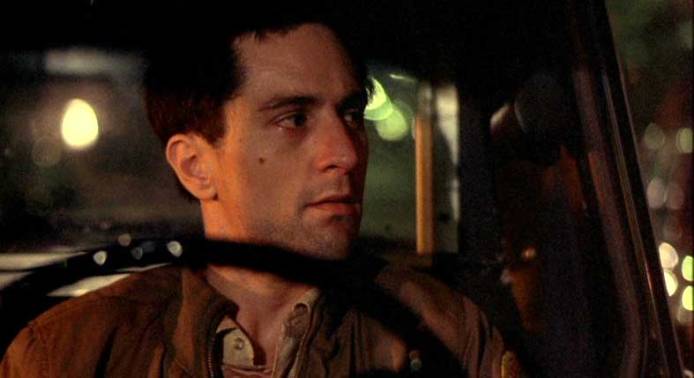
It was probably poor timing to jump into Scorsese’s view of New York City because as I watched Travis Bickle (played by a young Robert De Niro) drive aimlessly down the streets of New York City in Taxi Driver, I found myself deeply unsettled. Not so much because he leans on the dirty and dark streets of NYC to craft Travis’ worldview. No, I’ve experienced those myself in my six weeks here and I can say, not much has changed, still dirty, still dark.

The unsettling feeling came from how modern this story about a young white man who is struggling to find his place in the world felt. The parallel lines between Travis and the, typically, young white males, that have done these horrific mass shootings are clear. He is socially isolated and psychologically disturbed. He detests people his age who engage in behavior that he does not approve of, i.e. drinking, smoking, dating, sex. He spends most of the film intentionally isolating himself. When he finally reaches out, he gets rejected.

This rejection leads to him being not only a disturbed, socially isolated, and angry young man but also one who will do anything to get revenge AND respect. By the end of the film he has attempted to assassinate a presidential candidate, has succeeded to murder every person exploiting a young prostitute named Iris, and has been praised a hero both by Iris’ family and the media.

Throughout the film Travis sees himself superior, above it all, and responsible to fix the issues he sees, even when he is not asked to. He doesn’t know how to interact with women. In fact, he doesn’t view them as self-sustaining individuals. Rather as something he needs to save and then be rewarded for. His world view is tied up in his ego and his misguided views of justice. These biases has been intentionally isolated from learning how the world truly works. His mind just continues spinning in circles about what is wrong with the world, with no push back from opposing views, just an endless negative feedback loop.

And whether or not the ending was real, whether Travis truly did live and earn praise or whether he died on the couch imagining the glory he believes his actions will earn him, it’s a brief view into the mind of a madman who believes his terrifying actions are an act of justice. It’s a haunting reminder that the monsters of the modern world typically feel no remorse but instead pride in their horrific acts.

That’s why a film from 1976 still resonates today. That’s why I found the character of Travis Bickle so terrifying. It’s foreboding of the future and people like Travis feel omnipresent today. But the most unsettling part of it all? The age of this film proves this has been going on for decades.

My fascination with this movie is eerily summed up by the late, great Roger Ebert who simply states, “Martin Scorsese’s 1976 film is a film that does not grow dated…” and I would argue one that is more relevant today than ever before.

Welcome to New York: Far from Home with an Old Friend

Growing up in the foothills of the Rocky Mountains, I dreamed of one day moving to the great New York City.

There, I thought, I could be any one I wanted to be. A tough guy living in the Bronx, a hipster artist in Brooklyn, a wall street bro in Manhattan, a…uh…whatever Staten Island is known for, and of course a friendly neighborhood Spider-Man in Queens.

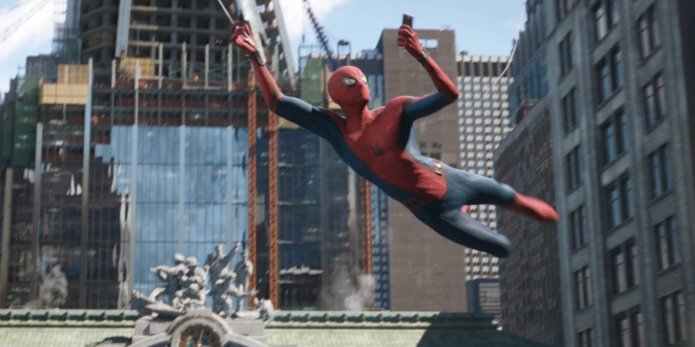
Okay so my obsession with the Big Apple started, and possible endured, because of Peter Parker and company. How could it not? I’ve watched, read, and even played along as Spider-Man web slings through the towering skyscrapers of the city, as he’s rested at the top of famous landmarks, and as he fought the bad guys and dodged the NYPD.

The city felt like a real character, a place as alive as any living thing. It was rough and filled with people with bad intentions. But it was also filled with friendly neighborhood Spider-Men and helpful citizens. The beauty of the city in the comics, movies, and video games is that it’s a part of Peter Parker’s DNA because it’s real and not hiding behind aliases like Gotham or Metropolis. It always felt so real and yet…oddly unobtainable.

Fast forward to this past 4th of July weekend and, in what you could call either an incredible coincidence or proof that the universe loves telling great stories, I found myself sitting in a theater in Queens, New York to watch the aptly named Spider-Man: Far From Home.

Yes I had just moved to the Big Apple a day prior and who else was there to welcome me? None other than Queens’ own Peter Parker and, yes I have to say it, we were both far from home.

Continue reading